Can AI-Generated Videos Be Monetized on YouTube in 2026?
YouTube allows AI-generated videos to be monetized in 2026, but the rules are stricter than most creators realize. Here's what actually qualifies, what gets flagged, and where a tool like Auto Seedance fits into the process.

Umer Khan has spent the last two years building and testing AI-assisted content workflows for YouTube, from scripting to 2D animation. He writes about what actually works in AI video production including the parts that don't.
I get this question more than any other from people who start using Auto Seedance for the first time. They generate a few scenes, stitch together a video, upload it — and then panic when a friend tells them YouTube "bans AI content." That's not quite true. But it's also not entirely false, and the gap between those two things is where most new creators get burned.
Here's what's actually going on.
1. The Short Answer YouTube Actually Gives
AI-generated content is allowed in the Partner Program. YouTube has said, plainly, that AI tools get treated like any other production tool — a camera, an editing suite, a voice actor. Using one doesn't disqualify you.
What disqualifies you is producing something YouTube considers low-effort, repetitive, or misleading. That's the part people skip past when they hear "AI is allowed" and assume that's the whole story.
2. What Changed in 2026
The policy that used to be called "repetitious content" got rebranded and sharpened into what YouTube now calls "inauthentic content" — and enforcement got noticeably more aggressive through the year.
As of mid-2026, YouTube's automatic detection can flag photorealistic synthetic media and apply a disclosure label even if a creator never checked the box themselves. That's a real shift. It used to rely mostly on self-reporting. Now it doesn't have to.
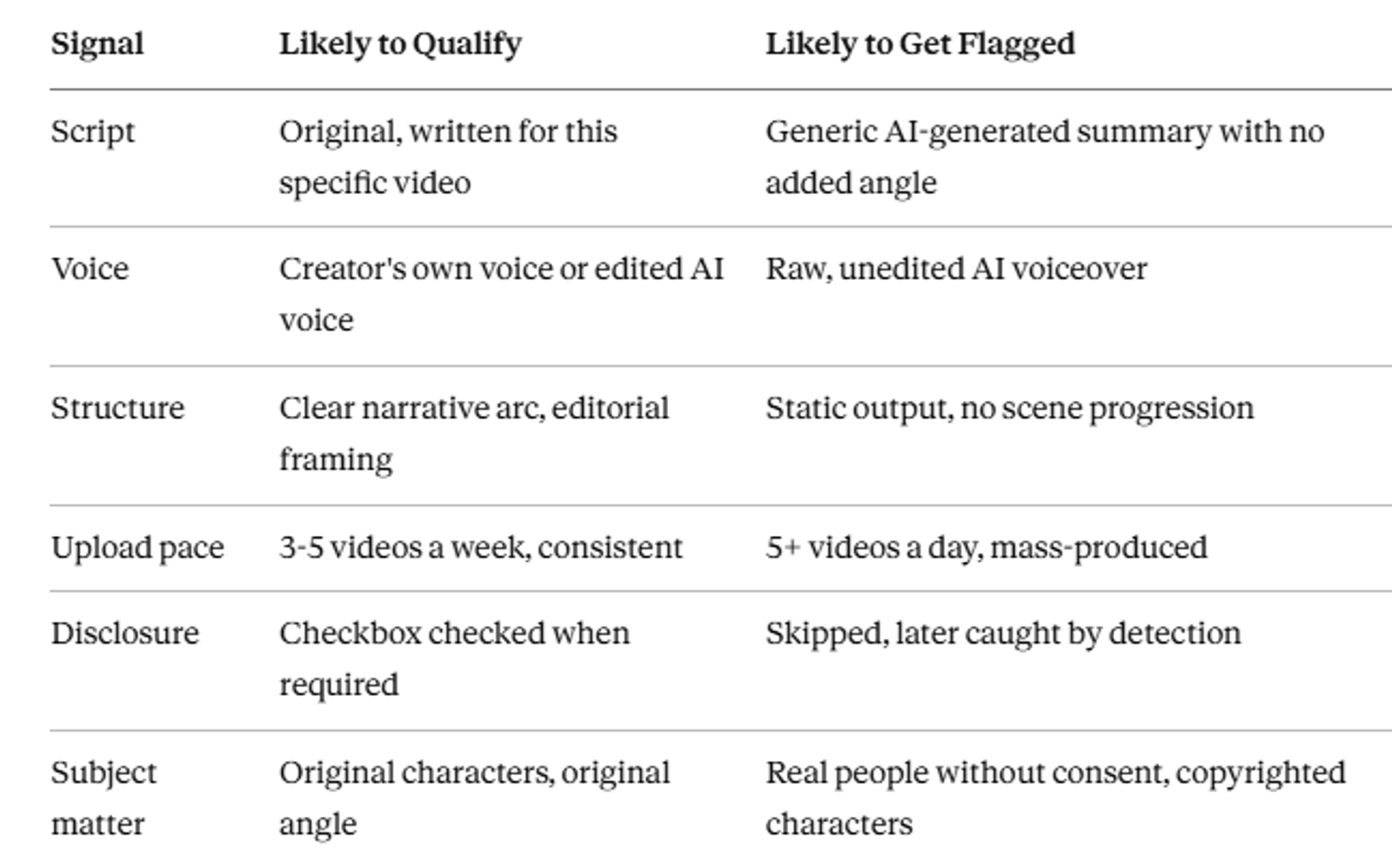
Channels uploading a high volume of videos per day — the exact threshold isn't public, but it's roughly north of five daily — get flagged for review more consistently than slower-paced channels putting out three or four a week.
3. What Gets a Video Demonetized
Not the presence of AI. The absence of anything else.
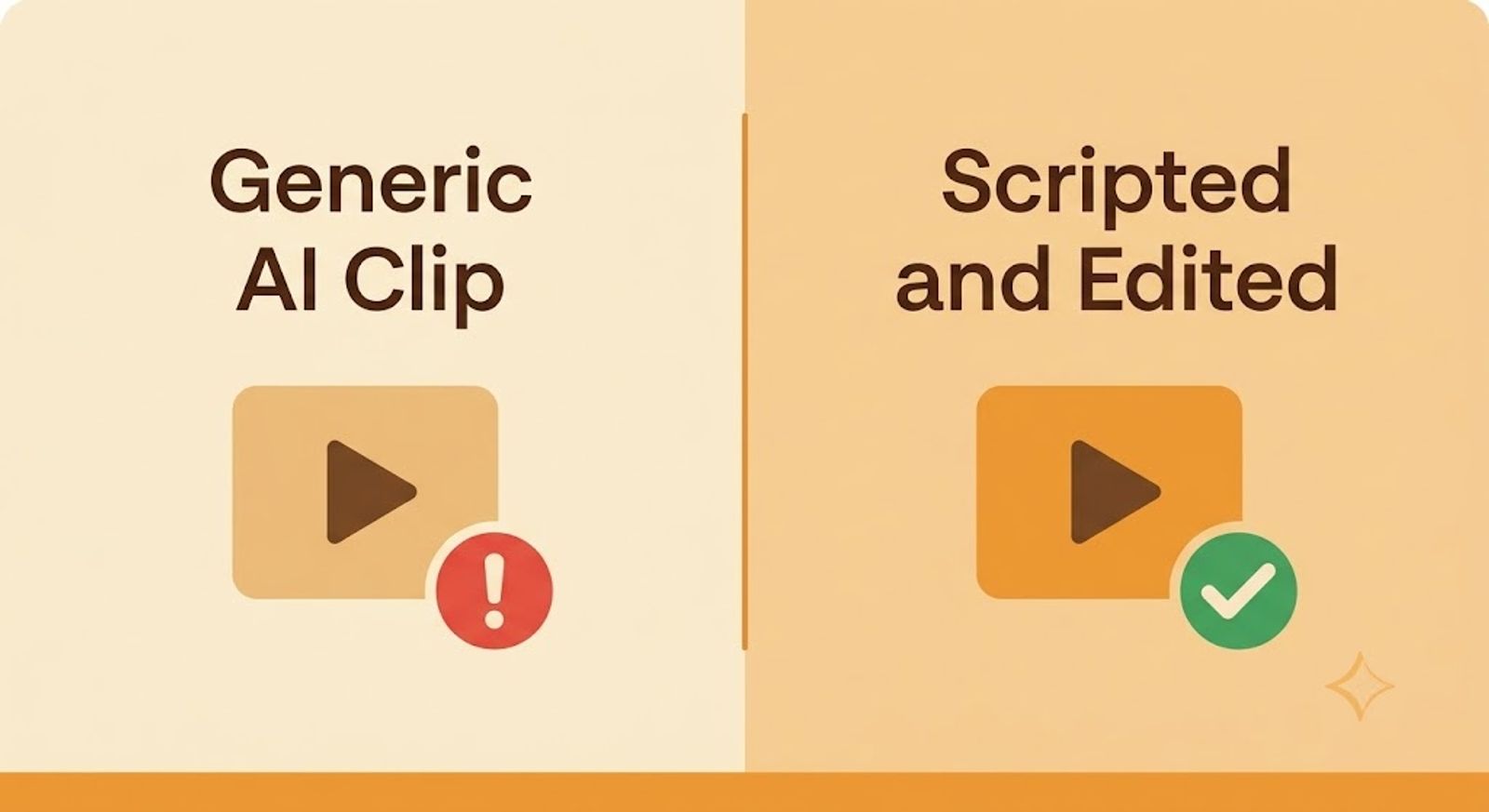
A video built entirely from a generic prompt, with no original script, no editorial angle, no human decision-making visible in the final cut — that's what trips the "inauthentic" label. YouTube reviewers are specifically looking for editorial framing (explaining why something matters), comparative analysis, a narrative arc, and scene progression instead of static, interchangeable output.
I've watched two channels in a similar niche take opposite paths here. One published fast, generic AI clips daily and got suppressed within weeks. The other used AI generation but wrote every script from scratch, added a real narrated angle, and kept a slower upload pace — that one's still monetized, still growing.
4. The Disclosure Checkbox Nobody Reads Properly
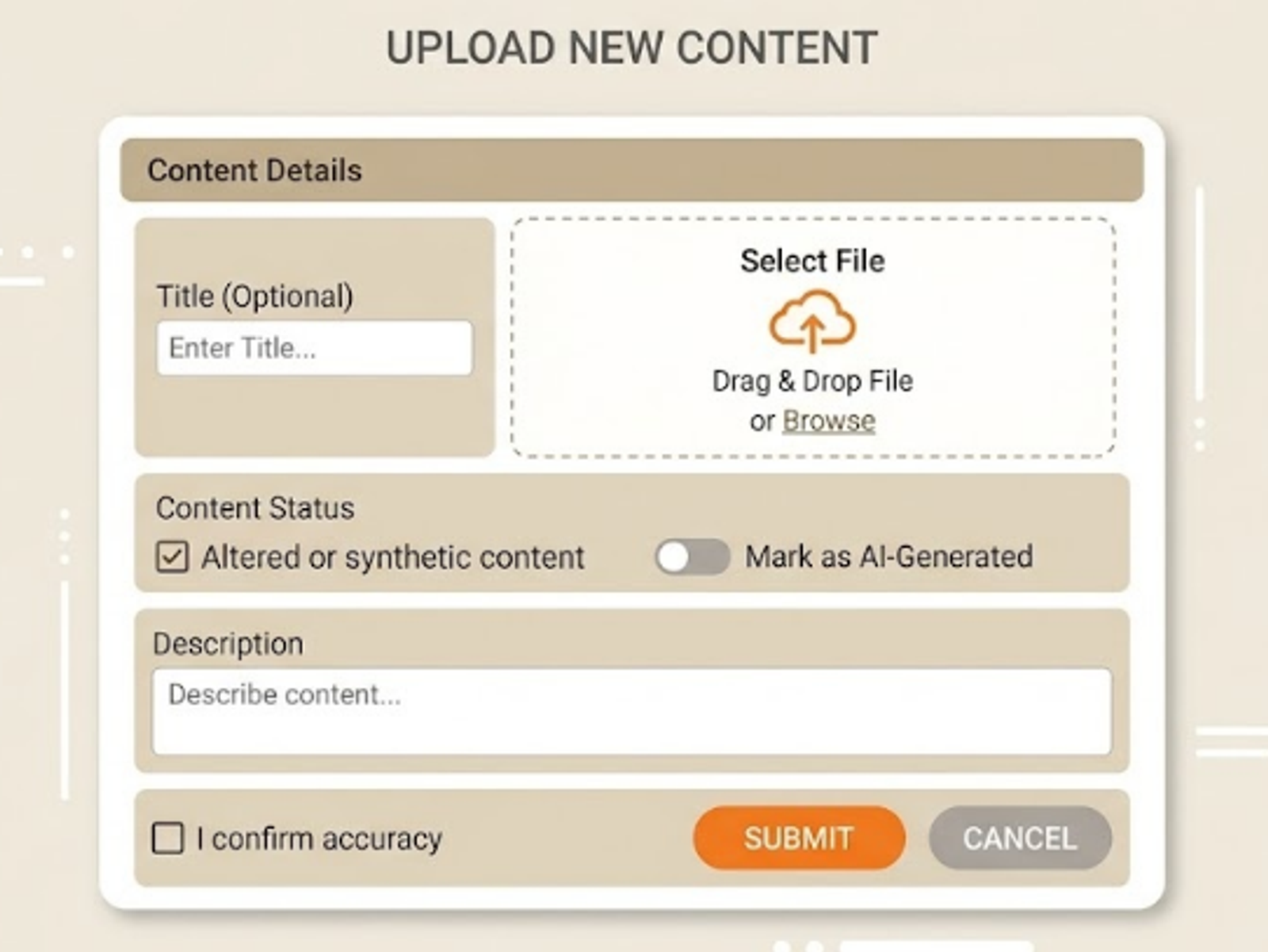
If your video uses AI to create realistic-looking people, places, or events, you're required to check the "altered or synthetic content" box on upload. Skipping it isn't a shortcut anymore — undisclosed AI content that gets caught by detection faces retroactive demonetization across flagged videos, not just a warning.
Properly disclosed AI content is fully eligible for monetization. Disclosure isn't a penalty. It's paperwork. Treat it that way and move on.
5. Where a Tool Like Auto Seedance Fits Into This
This is the part I want to be honest about, not sell.
Auto Seedance generates images and video scenes. It doesn't write your script, decide your video's structure, or record your own voiceover — and that's exactly the gap that determines whether a video monetizes cleanly or gets flagged. The tool produces raw material. What you do with that material — the script you write around it, the narration you add, the editorial point of view — is what YouTube is actually evaluating.
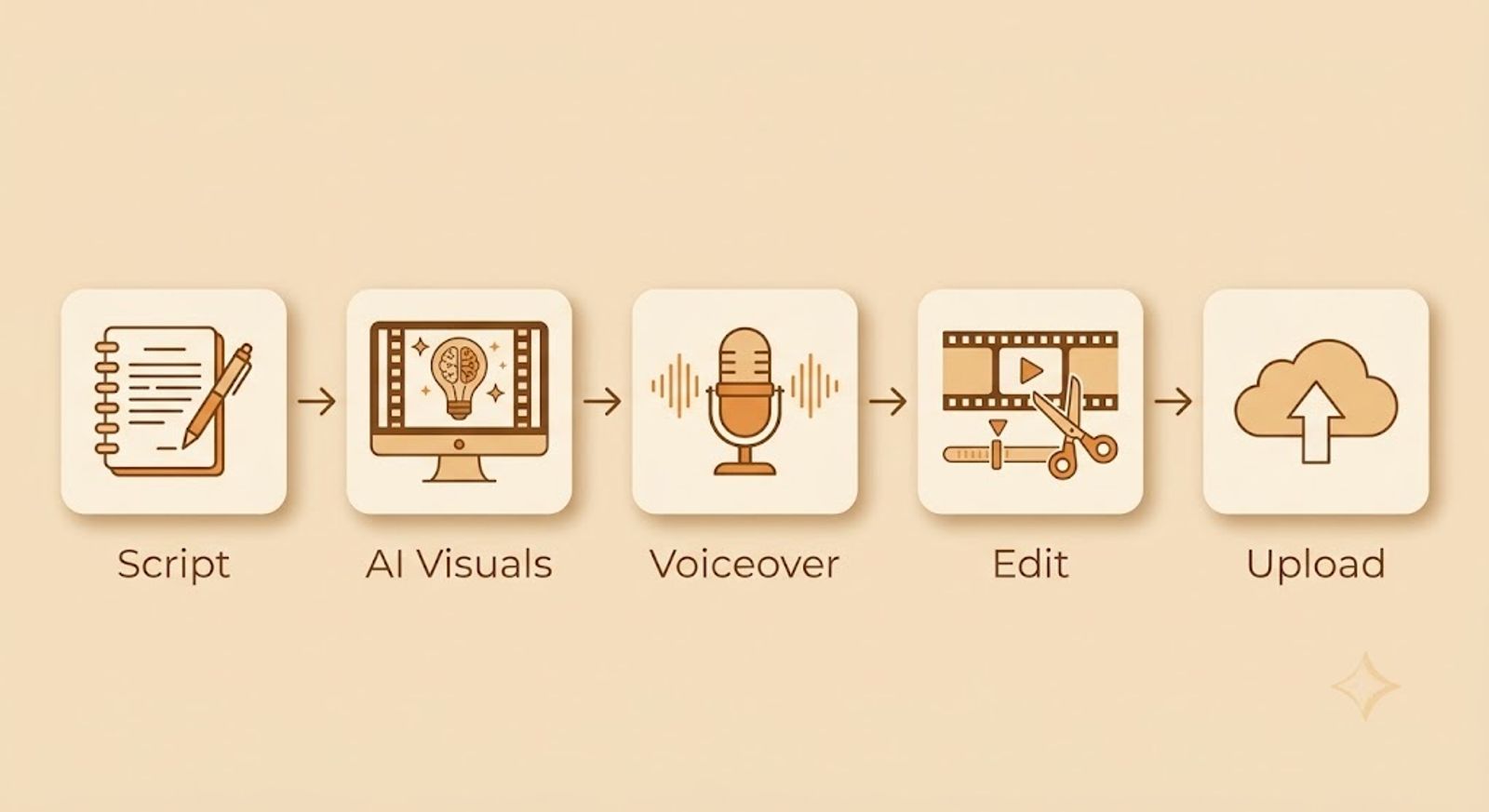
I use Auto Seedance for the visual layer of my own videos and still write every script myself, record my own voice on most of them, and edit the pacing manually. That's not me being precious about "doing it the hard way." It's the difference between a video that survives review and one that doesn't.
6. What Actually Qualifies vs What Gets Flagged
Common Mistakes New Creators Make
- Assuming "AI is allowed" means any AI output is monetization-ready as-is
- Skipping the disclosure checkbox and hoping it goes unnoticed
- Uploading in bulk to grow faster, without realizing volume itself is a flag
- Using raw AI voiceover with zero editing
- Recreating copyrighted characters or real public figures without consent
Who Should Be Cautious Here
Fine to proceed: creators adding a genuine script, voice, and editorial angle around AI-generated visuals — this is exactly the workflow YouTube has said it will monetize.
Should slow down and rethink: anyone planning to mass-upload templated AI clips with no original scripting, expecting volume alone to drive revenue. That approach is specifically what the 2026 policy update targets.
Final Thoughts
Nobody's banning AI video. What's being pushed out is the version of AI video that skips every step that makes a video worth watching.
The tool generates the scene. You still have to make the video.
Key Takeaways
- YouTube allows AI-generated content in the Partner Program; it does not allow low-effort, repetitive, or misleading content regardless of how it was made
- Automatic detection can now flag undisclosed synthetic media even without self-reporting
- Original scripting, real or edited voiceover, and narrative structure are what separate monetized channels from suppressed ones
- The disclosure checkbox is required when AI creates realistic people, places, or events — check it
- A generation tool like Auto Seedance handles the visual layer; the script, voice, and editorial decisions still have to come from the creator
Frequently Asked Questions
Will using Auto Seedance get my channel demonetized?+
No, not by itself. Demonetization risk comes from how a video is built around the generated visuals — script, voice, and originality — not from using a generation tool.
Do I have to disclose every AI-generated video?+
Disclosure is specifically required when AI creates realistic-looking people, places, or events. Stylized animation and clearly non-realistic content have more flexibility, but when in doubt, disclose.
How many AI videos can I upload per day safely?+
There's no official public number, but channels uploading more than roughly five a day get flagged for review more consistently. Slower, more deliberate upload pacing tends to fare better.
Can I use my own voice with AI-generated visuals?+
Yes — this is one of the more reliable combinations for staying monetization-safe, based on patterns across channels using this approach.
Does AI-generated content earn less revenue than traditional video?+
Not inherently. Niche and content quality drive RPM far more than production method — properly disclosed, original AI-assisted content in high-RPM niches performs in line with traditionally produced content in the same niche.
Keep reading
Suggested Related Articles
GPT-6 Sol vs Luna: What OpenAI's Pricing Table Actually Means
GPT-6 Sol and Luna launched September 2026 with a pricing table that confused much of Reddit on day one. Here's the real cost breakdown, the naming trap versus GPT-5.6, and which model actually fits your work.

How to Automate Product Video From Your Ecommerce Catalog With AI
AI product video automation actually works two different ways — generative AI and template-based pipelines. Here's the full workflow, which tools fit which job, and what goes wrong once you scale past a handful of products.
10 Best AI Video Generators for Faceless YouTube Channels in 2026 (Real Costs, Real Workflows)
We compared 10 AI video generators for faceless YouTube channels in 2026 — real creator-reported costs, an honest look at one-click vs. manual workflows, and which tool actually fits your format and budget, not just the highest-rated demo reel.
How to Use ChatGPT Images 2.5 for AI Photo Editing
The prompt structure that makes ChatGPT Images 2.5 editing work, plus Sketch, comments, templates, Flare vs Sunburst, pricing, and the real limits.