GPT-6 Sol vs Luna: What OpenAI's Pricing Table Actually Means
GPT-6 Sol and Luna launched September 2026 with a pricing table that confused much of Reddit on day one. Here's the real cost breakdown, the naming trap versus GPT-5.6, and which model actually fits your work.

Umer Khan has spent the last two years building and testing AI-assisted content workflows for YouTube, from scripting to 2D animation. He writes about what actually works in AI video production including the parts that don't.
Quick answer: GPT-6 Sol and GPT-6 Luna, released September 22, 2026, are OpenAI's two cost-efficient additions to the GPT-6 family, sitting below the flagship GPT-6 Astra. Sol is the reasoning-and-coding workhorse; Luna is the cheap, high-volume tier for repetitive clerical work. Both are meaningfully cheaper than their GPT-5.6 predecessors, not more expensive — a distinction that confused a large share of the launch-day Reddit thread.
If you read the pricing table once and walked away thinking GPT-6 Sol costs more than before, you're not alone. That confusion is worth untangling before deciding which model actually fits your work.
1. What Are GPT-6 Sol and Luna?
Direct answer: GPT-6 Sol and GPT-6 Luna are OpenAI's cost-efficient, tier-based additions to the GPT-6 family, released September 22, 2026, sitting just below the flagship GPT-6 Astra model.
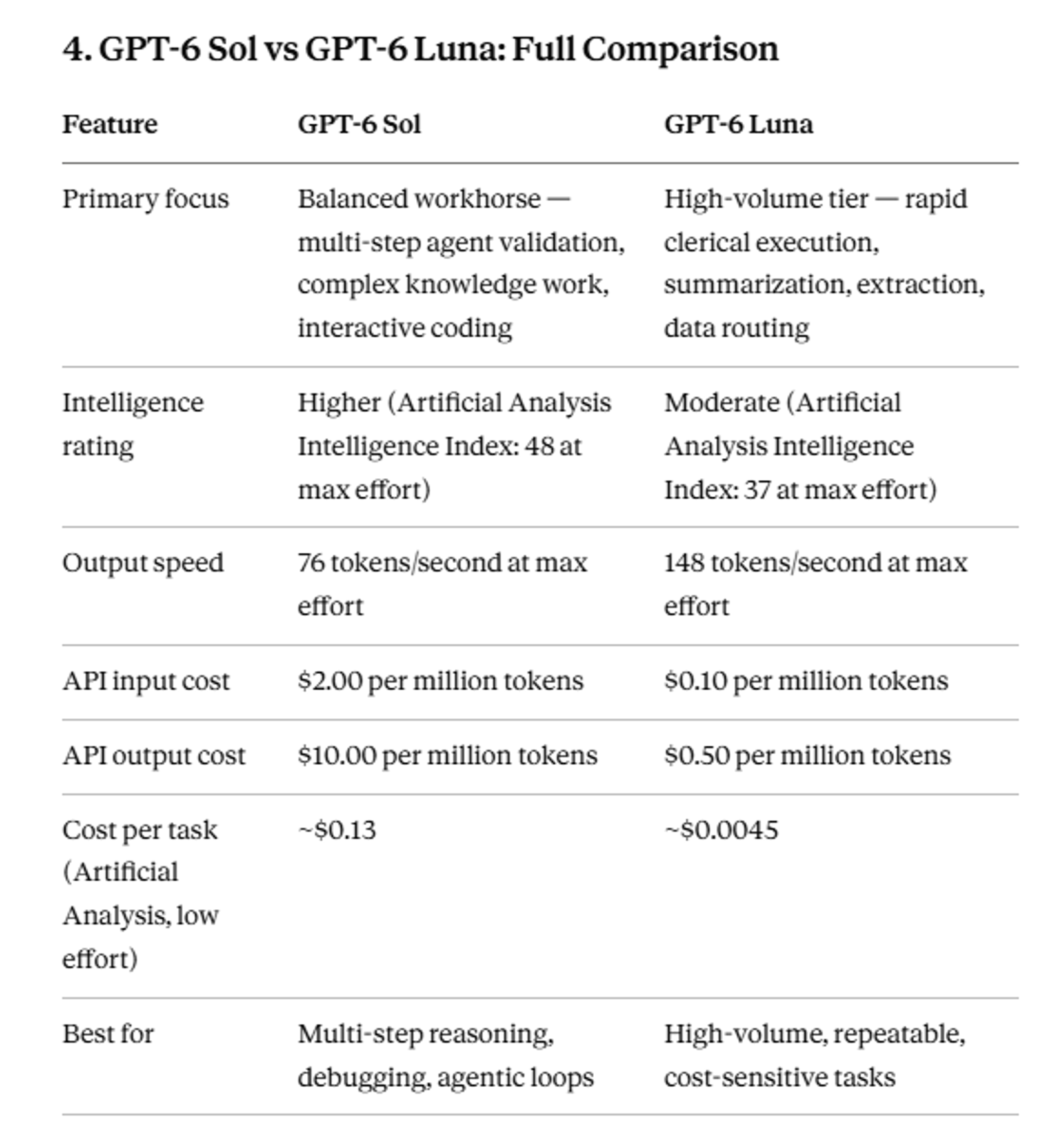
OpenAI's own framing, echoed across the matching AWS and Microsoft Azure launch posts, positions these as models built to bring frontier-level intelligence to everyday, high-volume production work — not as smaller, weaker versions of Astra, but as differently balanced tools for different jobs. Sol is described as the workhorse for multi-step reasoning, coding, and agentic loops. Luna is built for rapid, repeatable clerical tasks — summarization, extraction, and data routing — at much higher throughput.
2. The Pricing Table, Explained Properly
Direct answer: GPT-6 Sol costs $2.00 per million input tokens and $10.00 per million output tokens (Global Standard, short context). GPT-6 Luna costs $0.10 per million input tokens and $0.50 per million output tokens under the same terms, making it the cheapest model in the GPT-6 tier. Independent cost-per-task figures from Artificial Analysis put this at roughly $0.13 per task for GPT-6 Sol (low effort) versus just $0.0045 per task for GPT-6 Luna (low effort) — a gap that matters more in practice than the raw per-token price.
Why the Reddit Thread Got Confused
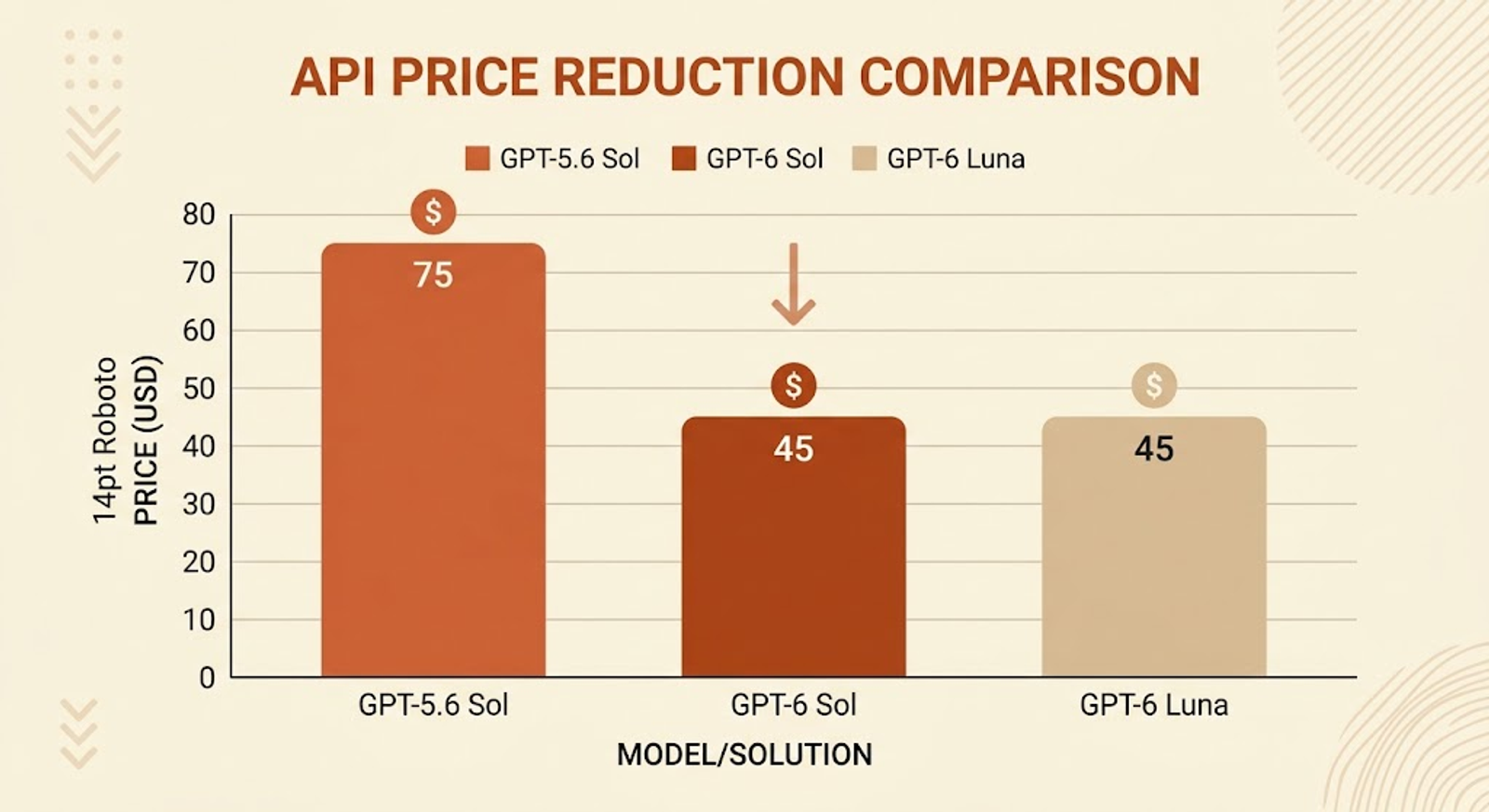
One top comment on OpenAI's own announcement thread read the table and concluded "6 Sol is 2x the cost" of something, based on a "$4 → $2" figure. That reading has it backwards. OpenAI's own release notes state API prices were cut by exactly 50% across the board compared to GPT-5.6 — meaning the $4 figure represents the old GPT-5.6 Sol input price, and $2 is what GPT-6 Sol actually costs now. On top of that base cut, OpenAI's own post confirms improved prompt caching now delivers roughly 90% discounts on cached input-token reads for agents reusing context across a conversation.
Read the table as "old price → new price," not as a multiplier, and the numbers make considerably more sense.
3. The "Generation Naming Trap": Where Did Terra Go?
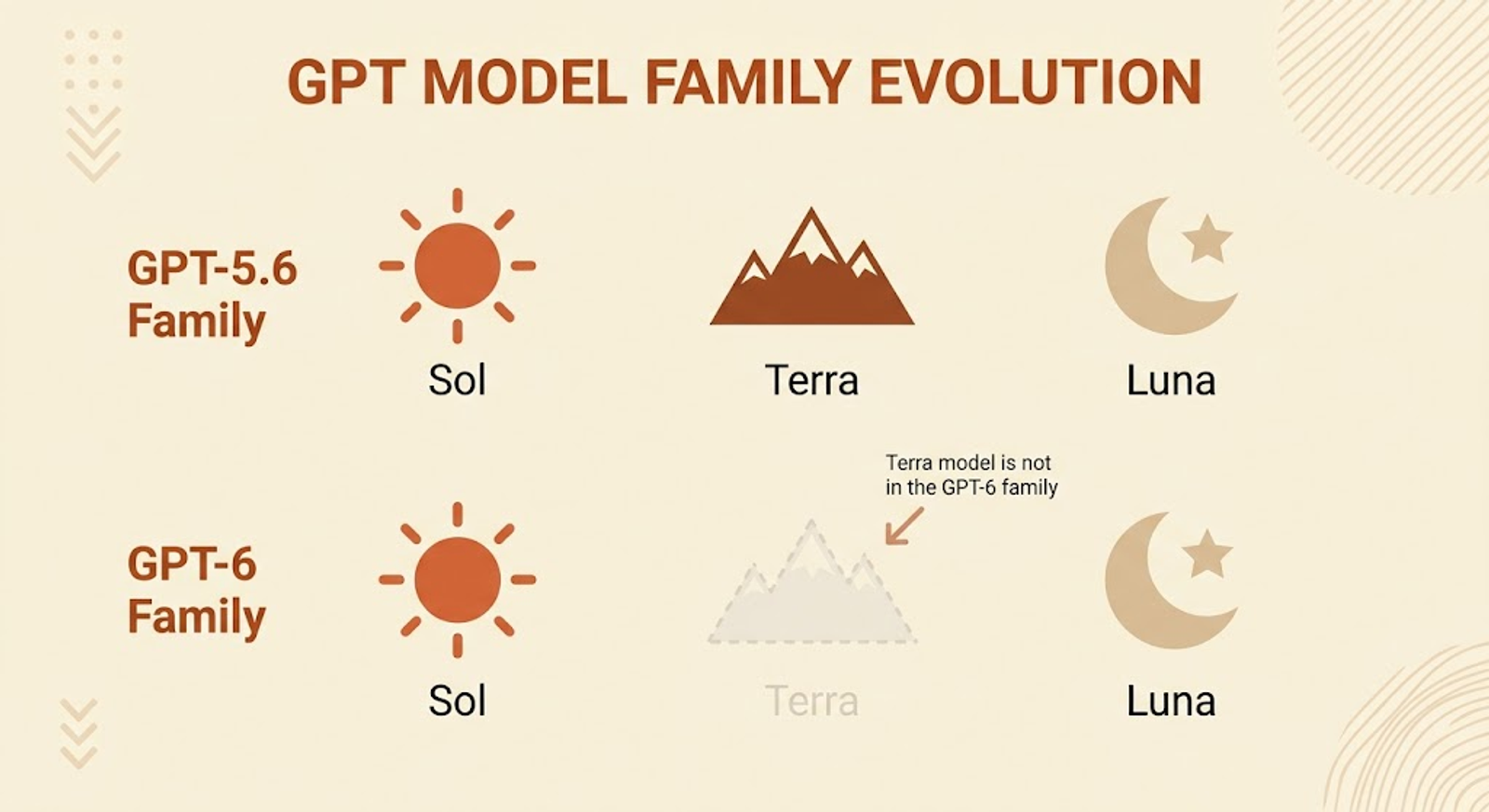
Direct answer: There is no GPT-6 Terra. OpenAI reused two of the three names from its GPT-5.6 tier system (Sol, Terra, Luna) but only shipped Sol and Luna in the GPT-6 generation, which is exactly what triggered the "RIP Terra" comments across the launch thread.
This naming choice is genuinely confusing if you followed the GPT-5.6 lineup, since the same names now refer to different, newer models at different price points and capability levels. If you're searching for GPT-6 Terra expecting a direct upgrade path from GPT-5.6 Terra, it doesn't exist in this generation — Sol and Luna are the only two tiers below Astra.
4. GPT-6 Sol vs GPT-6 Luna: Full Comparison
5. How They Actually Benchmark Against GPT-5.6 and Claude
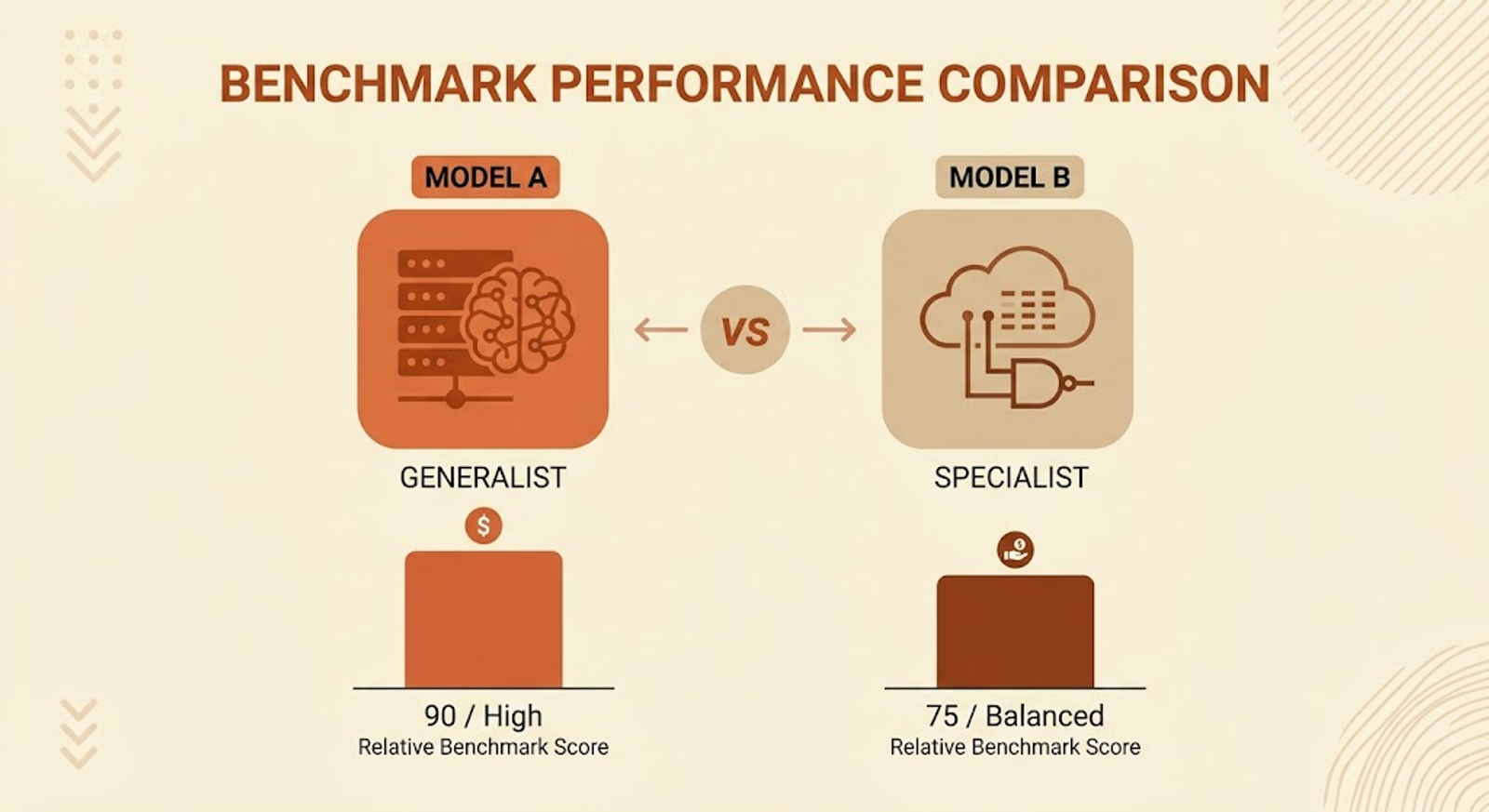
Direct answer: On the OSWorld 2.0 computer-use benchmark, GPT-6 Sol at extra-high effort reportedly matches Anthropic's Claude Opus 5 (medium effort) at roughly 80% lower cost per task, while GPT-6 Luna reportedly exceeds the older GPT-5.6 Sol (medium effort) at about one-tenth the cost.
OpenAI's own evaluations also report GPT-6 Sol makes roughly half as many factual mistakes as its GPT-5.6 predecessor, alongside cleaner, more concise output adopting GPT-6 Astra's less jargon-heavy communication style.
The Comparison Everyone's Asking
Google's own AI Overview answer to "Is GPT Sol or Luna better?" lands on the same conclusion the raw benchmark data supports: neither model is universally better. GPT-6 Sol wins on complex reasoning and coding; GPT-6 Luna wins on speed and high-volume cost savings.
6. Where You Can Access Them
Direct answer: GPT-6 Sol and Luna are not yet available in regular ChatGPT Chat. They launched in ChatGPT Work and Codex for Plus, Pro, Business, Enterprise, and Edu users, with Free and Go users able to access only GPT-6 Luna through the desktop app. Both models are also available via the OpenAI API (as gpt-6-sol and gpt-6-luna), and on Amazon Bedrock and Microsoft Azure AI Foundry, both confirmed generally available the same day, September 22, 2026.
Why This Matters More Than It Sounds
A lot of launch-day coverage glossed over the fact that regular ChatGPT Chat users — the largest consumer segment — don't get Sol or Luna at all yet. These two models are squarely positioned for developer and enterprise workflows (Work, Codex, API, Bedrock, Azure Foundry) on day one, not a consumer-facing rollout. On Azure specifically, both models deploy across all 28 global regions plus US and EU Data Zones, with enterprise customers like Manus and Wolters Kluwer already citing them in production.
7. Why This Article Is Already Racing Against the Clock
This is worth being upfront about, since it's the kind of detail most launch-day coverage skips.
GPT-6.1 Sol shipped just seven days after GPT-6 Sol's initial launch, with community reports describing it as reaching "near-Astra performance" at a lower cost — meaning any comparison chart published at launch, including parts of this one, is already being outpaced within a week. Community discussion also noted Anthropic's Claude Opus 5.5 released around the same window, which one Reddit commenter flagged as making cross-model comparison graphs "already outdated" almost as soon as they're published.
None of that makes the core pricing and positioning data above wrong — it means treating any single benchmark chart in this space as a snapshot, not a permanent ranking.
Final Thoughts
The actual story here isn't complicated once the pricing table is read correctly: OpenAI cut prices significantly and split its mid-tier lineup into two clearly different jobs, reasoning-heavy work versus high-volume clerical work. The confusion came from a reused naming scheme and a table that reads backwards if you're not watching for it.
Pick Sol for anything that needs to reason. Pick Luna for anything that just needs to run fast and cheap, over and over.
Frequently Asked Questions
Is GPT-6 Sol more expensive than GPT-5.6 Sol?+
No — it's roughly half the price. GPT-6 Sol costs $2.00/$10.00 per million input/output tokens, down from the older GPT-5.6 Sol pricing, as part of a roughly 50% price cut OpenAI applied across the GPT-6 tier.
Is GPT Sol or Luna better?+
Neither is universally better — GPT-6 Sol is stronger for complex reasoning and coding, while GPT-6 Luna is better for speed and high-volume cost savings.
What happened to GPT-6 Terra?+
There is no GPT-6 Terra. OpenAI reused the Sol and Luna names from its GPT-5.6 tier system but did not ship a Terra model in the GPT-6 generation.
When was GPT-6 Sol and Luna released?+
September 22, 2026, alongside matching availability announcements from AWS and Microsoft Azure published the same day.
What is GPT-6 Luna used for?+
Rapid, repeatable clerical tasks — summarization, data extraction, and request routing — where speed and low cost matter more than top-tier reasoning depth.
Is GPT-6.1 Sol different from GPT-6 Sol?+
Yes — GPT-6.1 Sol shipped about a week after the original GPT-6 Sol launch, reportedly with near-Astra-level performance at a lower cost, based on early community benchmark reports.
Can I use GPT-6 Sol and Luna in regular ChatGPT?+
Not yet in the main ChatGPT Chat product. They're available in ChatGPT Work and Codex for paid plans, GPT-6 Luna only via the desktop app for Free/Go users, and both via the OpenAI API, Amazon Bedrock, and Microsoft Azure AI Foundry.
Keep reading
Suggested Related Articles

How to Automate Product Video From Your Ecommerce Catalog With AI
AI product video automation actually works two different ways — generative AI and template-based pipelines. Here's the full workflow, which tools fit which job, and what goes wrong once you scale past a handful of products.

10 Best AI Video Generators for Faceless YouTube Channels in 2026 (Real Costs, Real Workflows)
We compared 10 AI video generators for faceless YouTube channels in 2026 — real creator-reported costs, an honest look at one-click vs. manual workflows, and which tool actually fits your format and budget, not just the highest-rated demo reel.

How to Use ChatGPT Images 2.5 for AI Photo Editing
The prompt structure that makes ChatGPT Images 2.5 editing work, plus Sketch, comments, templates, Flare vs Sunburst, pricing, and the real limits.
How to Create 1980s-Style AI Images From Your Photos
The exact four-part prompt formula for a convincing 1980s AI photo — plus why faces distort, real privacy trade-offs, and the backlash nobody else is covering.